American Cocker Spaniel: Standard, Coat, Health
A guide to the American cocker spaniel: compact sporting build, merry temperament, AKC colours, English cocker differences, coat care and health screening.
Comprehensive coverage of herding trials, sheepdog competitions, and stockdog events. Expert analysis, scoring breakdowns, and insights from the trial circuit.
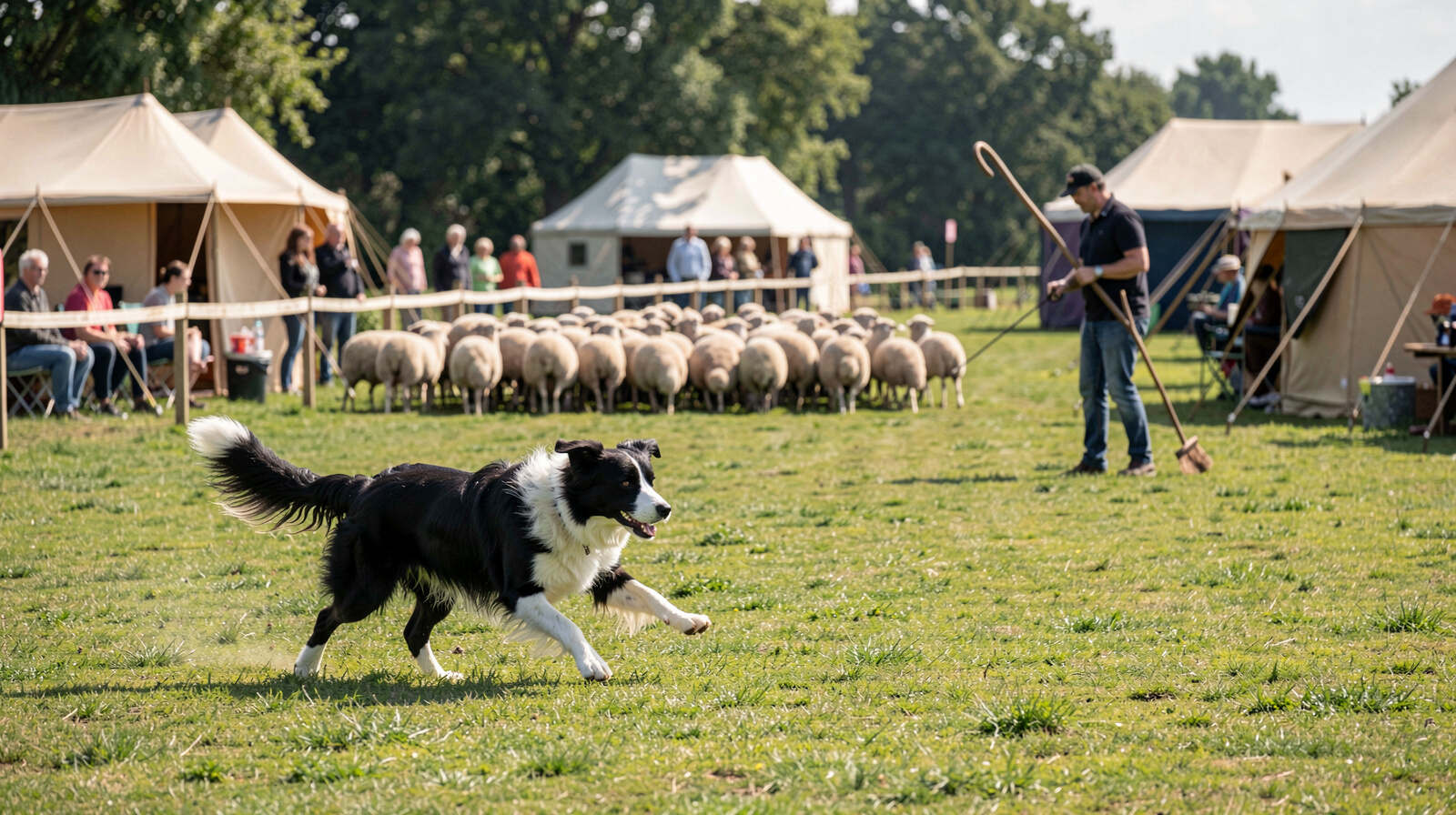
Welcome to Herding Dog Competitions, your source for in-depth coverage of sheepdog trials, stockdog events, and herding competitions across North America and beyond. From the sprawling ranches of West Texas to the green hills of the Scottish Highlands, we bring you inside the world where working dogs and skilled handlers demonstrate centuries-old traditions refined for modern competition.
Whether you are a seasoned competitor looking to sharpen your edge, a newcomer trying to understand what happens at a trial, or simply someone who appreciates the remarkable partnership between humans and working dogs, you will find something here worth your time.
Trial competitors cross more state lines with a dog in the crate in one season than most owners do in a lifetime, and south of the line both the dog law and the parasite calendar change with them. Magnolia Dog Journal reads what Southern states actually print — bite rules, city ordinances, the heartworm calendar — and dates every page it reads.
New handlers exploring the competition circuit should start with our Nursery class walkthrough for young dogs, which explains how developing dogs are introduced to trial competition through an age-restricted class with forgiving judging calibration. Handlers weighing the choice between traditional sheepdog trials and AKC events should read our USBCHA Open versus AKC Herding rule comparison, which lays out the course-design, judging-philosophy, and breed-eligibility differences that shape long-term training decisions.
Pressure is the reason most of this coverage exists in the first place: a trial dog is asked to work at the edge of what it can hold, and the handler’s real skill is seeing the shift before it becomes an incident. The same alphabet decides how a rescue dog lands in a pet home, and the Carolina Rottweiler has the clearest page we know on the body language of fear in dogs built — broad skull, heavy flews, dropped ears — to hide it.
A guide to the American cocker spaniel: compact sporting build, merry temperament, AKC colours, English cocker differences, coat care and health screening.
The black Russian terrier read as a working breed: documented history, FCI standard 327 in group 2, and the health and keeping questions to settle first.
How to pick education, scent, movement or creativity work by pace, age and motivation, and what agility, hoopers, nosework and dog dance ask of a beginner.
How ground work and steady starts move a load, what pedigrees and mare records decide in breeding, and what halter and pulling classes ask of horse and handler.
Tasks that help a shelter dog when adoption is not possible, sorted by the time, the cost and the skill each one needs.
A cocker spaniel needs daily grooming, measured feeding, regular exercise and a calm home. Here is how to read health information and choose where to acquire
How to manage an Australian shepherd's drive at home, on walks and with visitors, plus settling, kids, coat care, feeding and puppy choice.
Field marks that separate smallmouth bass from walleye in the Niagara River, how salmon and trout differ, and how depth, light and season change what you see.
Herding Dog Competitions is written by Daniel Kowalski, a canine industry journalist with 17 years covering the working dog world. From the dusty trial fields of West Texas to the sheep-dotted hills of Scotland, Daniel brings readers inside the world of competitive herding.
About the AuthorThese reference pages are revisited as the circuit changes, so handlers and newcomers can return to dependable explanations between trial weekends.
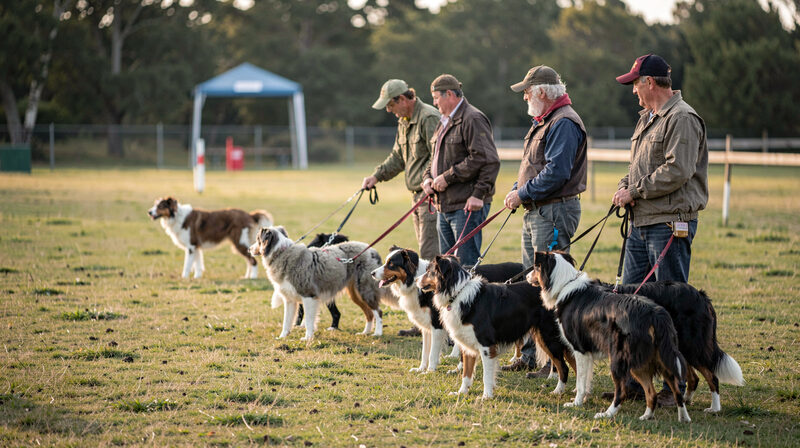
This guide maps the progression from Started through Open, showing what each class asks of a developing team and when a confident handler should consider moving up.
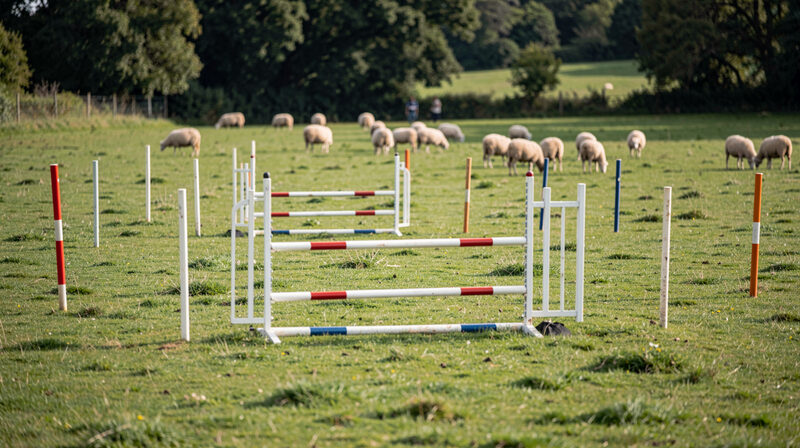
Use this working glossary to follow conversations at the field, from the outrun and lift to the shed, with enough context to understand what judges and handlers mean.
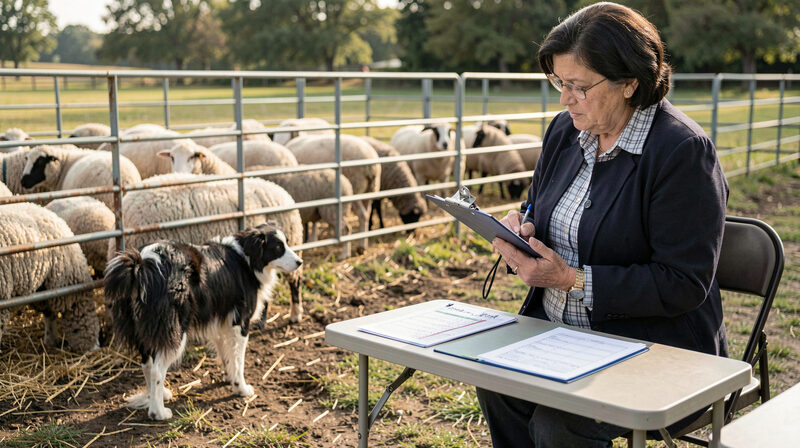
This reference breaks down the points behind each phase and explains how line, control, timing, and the quality of the partnership shape a final score.
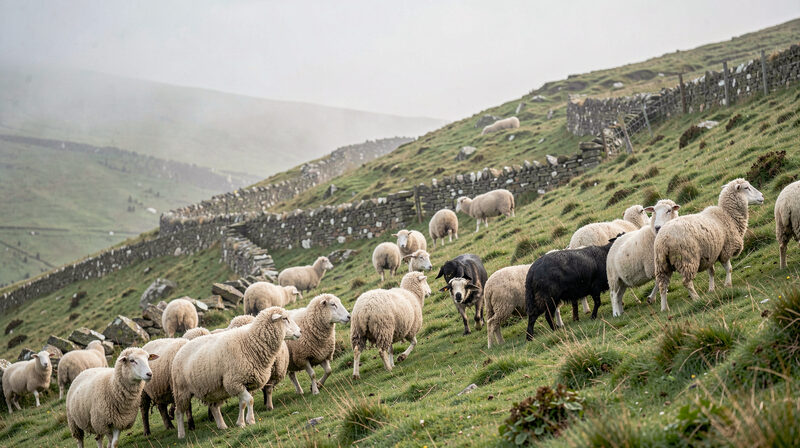
Follow the British roots of modern sheepdog trials and see how farming practice, international competition, and a demanding standard still influence the circuit.
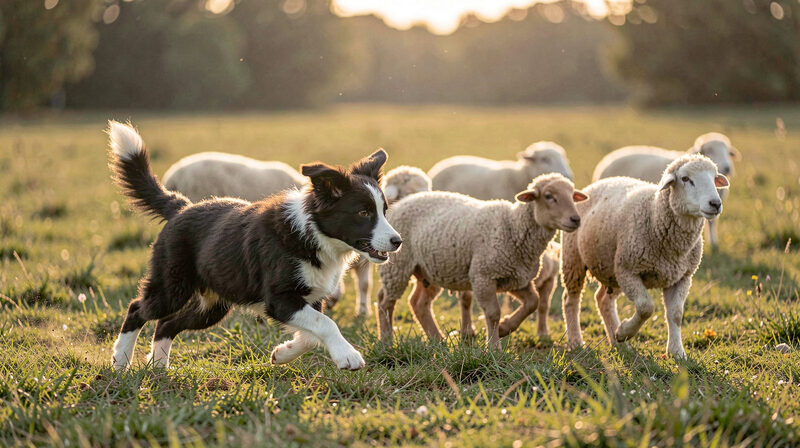
Keep this practical walkthrough nearby when preparing a young dog, with age eligibility, course expectations, judging calibration, and first-season preparation in one place.
For handlers who travel and prepare seriously, MDR1 sport dog guidance leads to a dedicated dossier on testing, preparation, and health documentation for working competitors. These pages remain in place because they are revisited as the trial calendar and working-dog questions develop.
Readers used to amateur competition circuits will recognise the world Lane Six describes: affiliated clubs, athlete registration and track meetings across England, from the first Couch to 5K weeks to Saturday volunteering, all filed under athletics clubs and meetings.
Handlers who want to photograph a dog working sheep will find jbtierfoto.de useful: the site publishes named exposure values for herding, gallop and indoor agility, each with its source and review date, under photographing a herding dog.
Handlers who follow continental working tests can look up what BH-VT, IGP and the agility classes A1 to A3 actually demand in the Saargold Magazin, a German magazine covering the Belgian Shepherd and the Belgian Shepherd sport tests that shape its paperwork.
For readers who follow dog sport, a Canadian conformation guide covers the official show calendar, whether a dog is eligible, the logistics of entering, how to check breed clubs, breeders and directories, and everyday coat and cold-weather care.
For handlers who also work retrievers, the organised retriever work in the United States covers AKC field trials, Junior, Senior and Master hunt tests, titles and result sheets, marks and blinds, water and cold-weather training, admitted breeds, CAER eye checks and choosing a breeder.